Plants In Armenian Manuscripts: Beauty And Healing
Plants in Armenian Manuscripts: Beauty and Healing
This story is part of an ongoing series of editorials in which HMML curators and catalogers examine how specific themes appear across HMML’s digital collections. From the Eastern Christian collection, Dr. Ani Shahinian has this story about Plants.
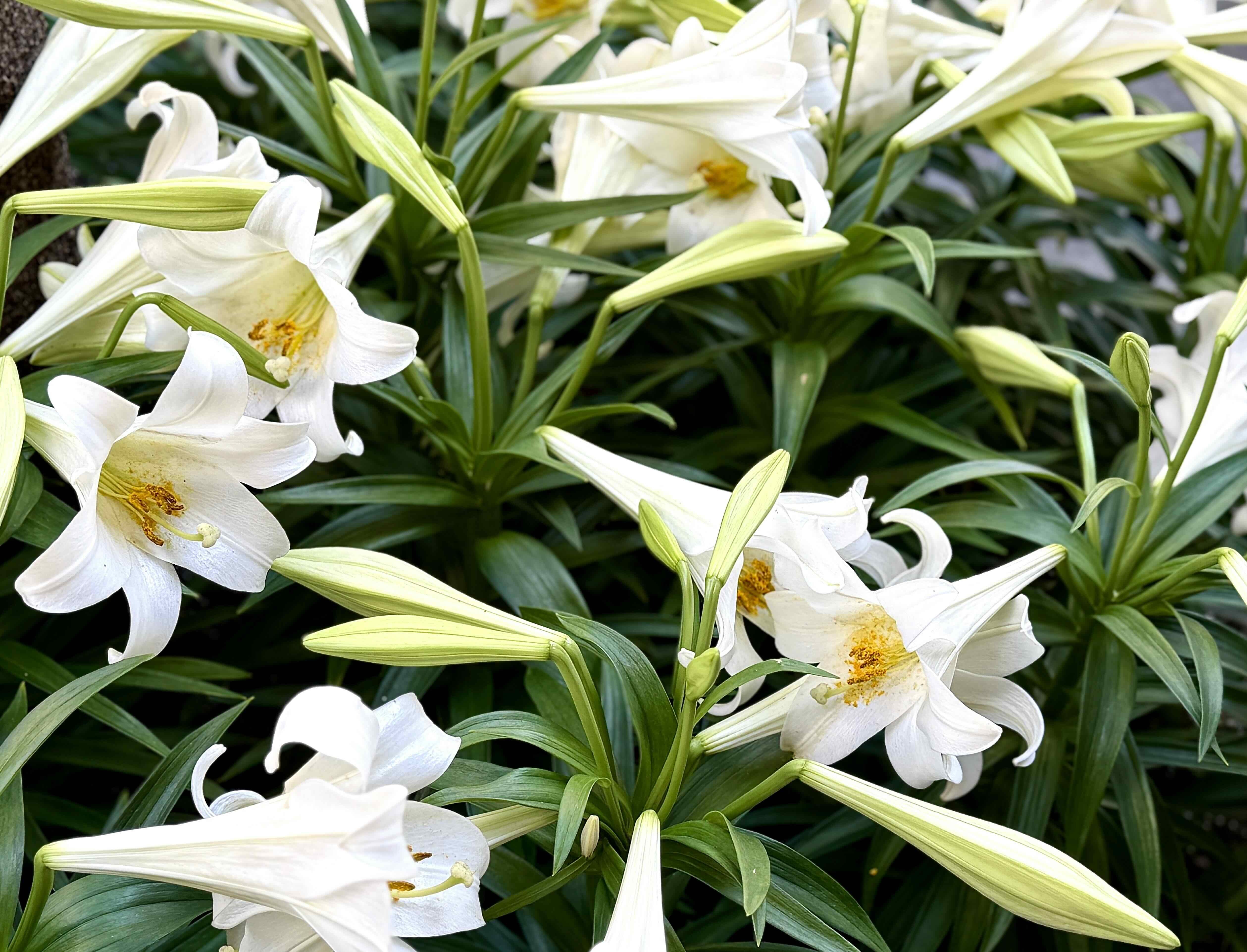
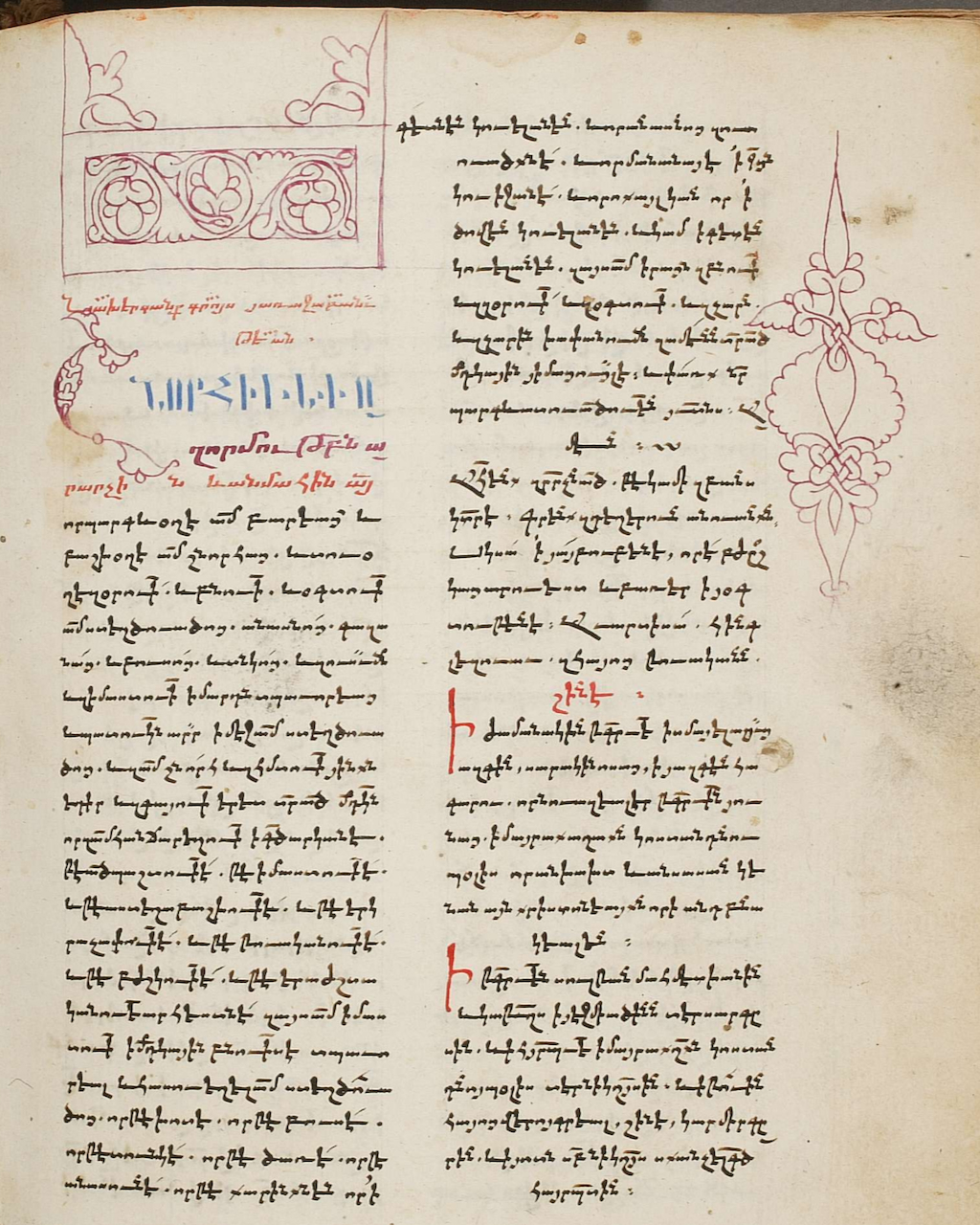
Plants and flowers in Armenian manuscripts are not merely decorative ornaments. Through imagery, symbolism, and recurring patterns, they teach readers about the natural world and reveal the intricate and interdependent relationship between nature and humanity.
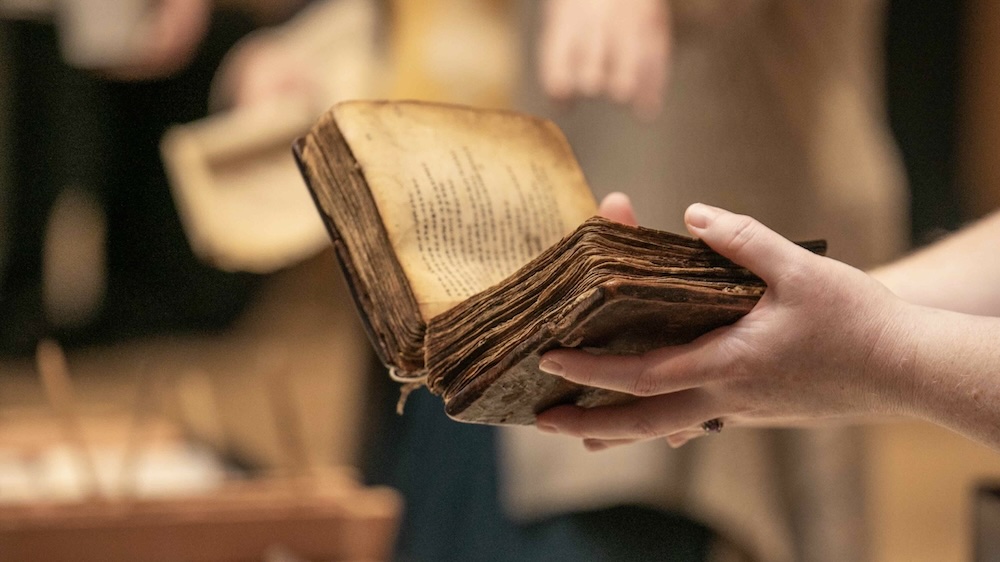
The book as a material object emerges from the same natural world as it depicts—embodying a cycle in which creation becomes text and text (in turn) teaches, interprets, orders, and preserves the narrative of creation itself. Plants in this environment also participate in both the physical healing and the spiritual care of the whole human person.
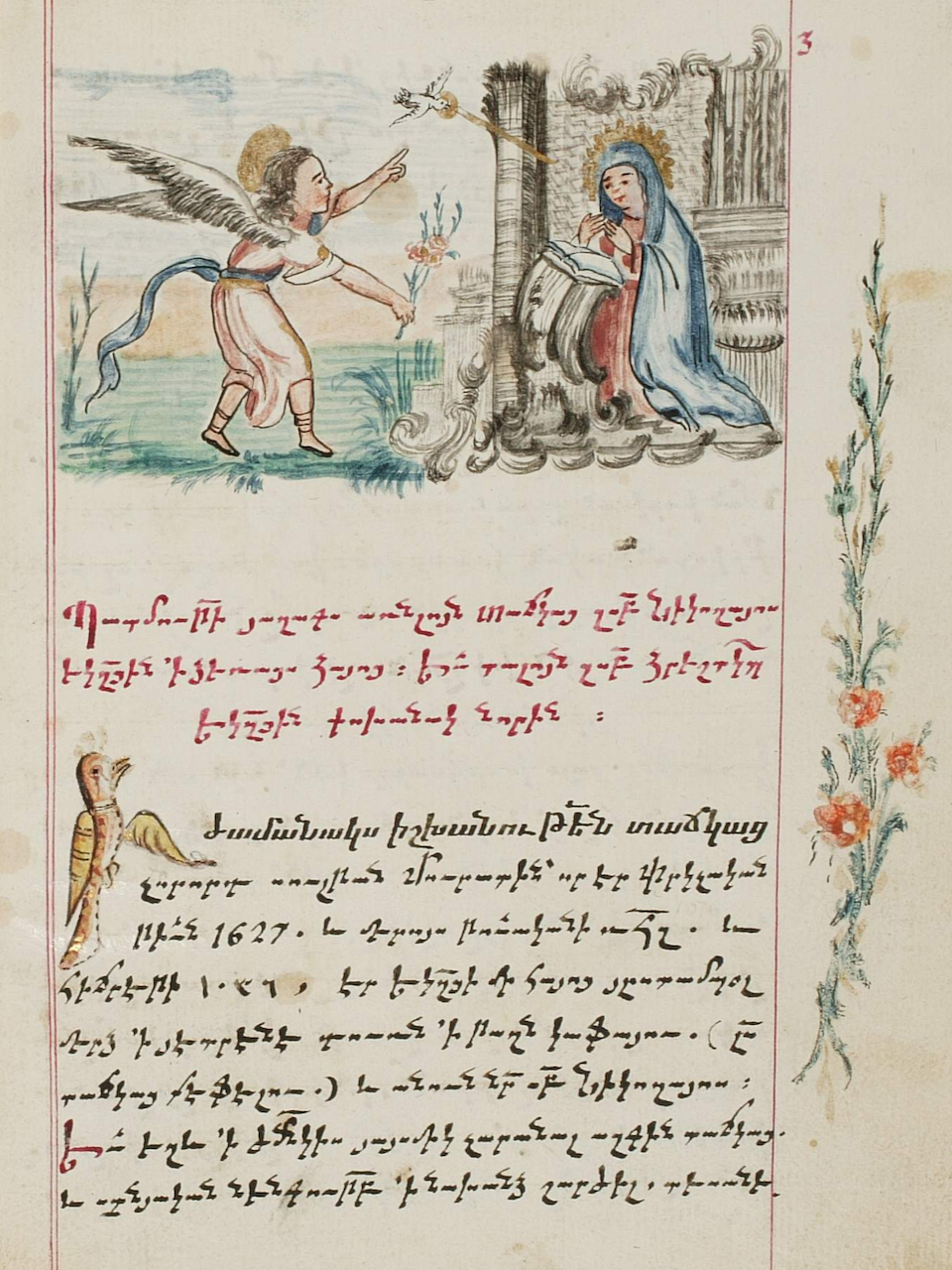
From the Tree of the Garden of Eden to the Flowering Tree of the Cross
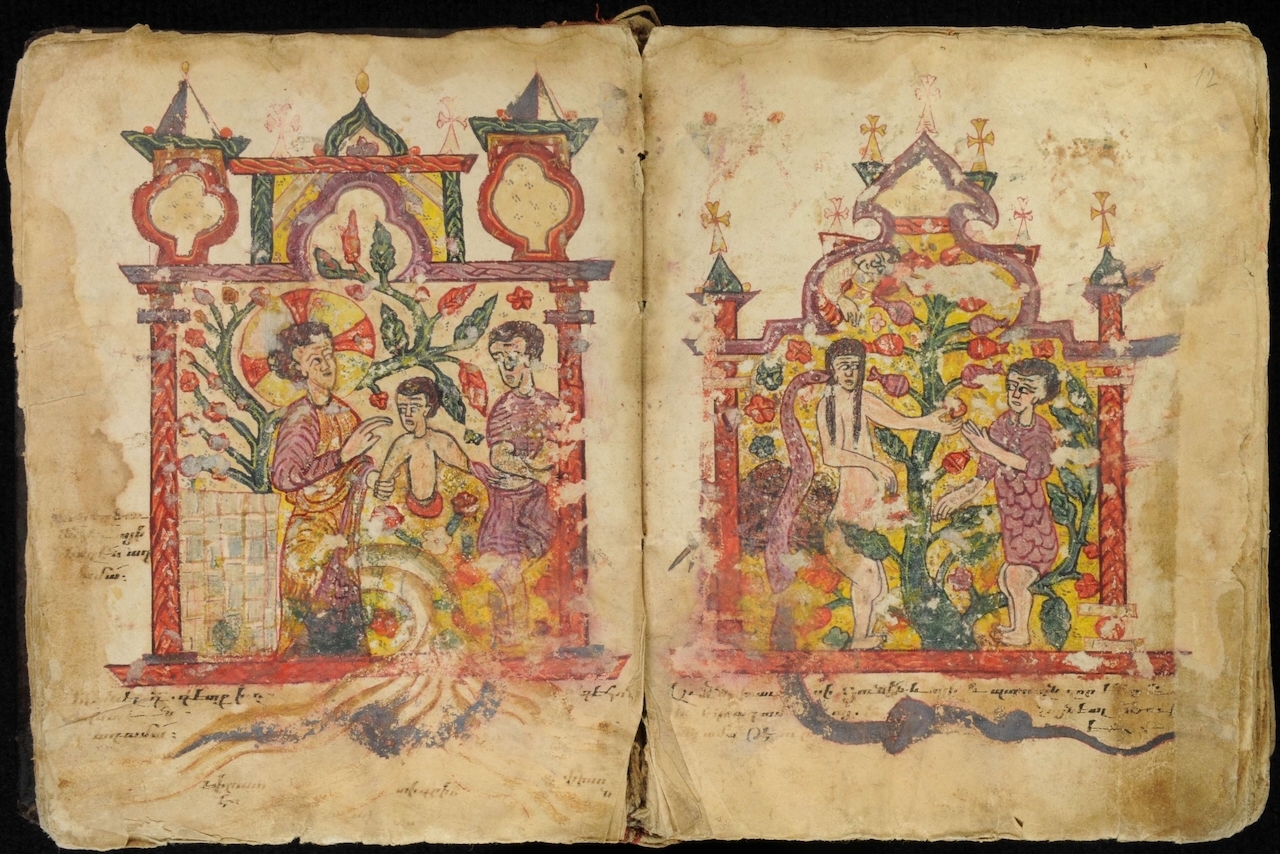
Consider how plants and human beings are brought together in the arc of the Christian narrative. Beginning in the Garden of Eden, humanity is situated within a richly ordered creation of trees, flowers, animals, and living abundance. The biblical story repeatedly returns to this relationship, portraying human life as inseparable from the wider living world and its divine purpose. The narrative culminates in the wood of the cross at the crucifixion of Christ, where the stained tree of paradise is transformed into the flowering “Tree of Life” through death, burial, and resurrection.
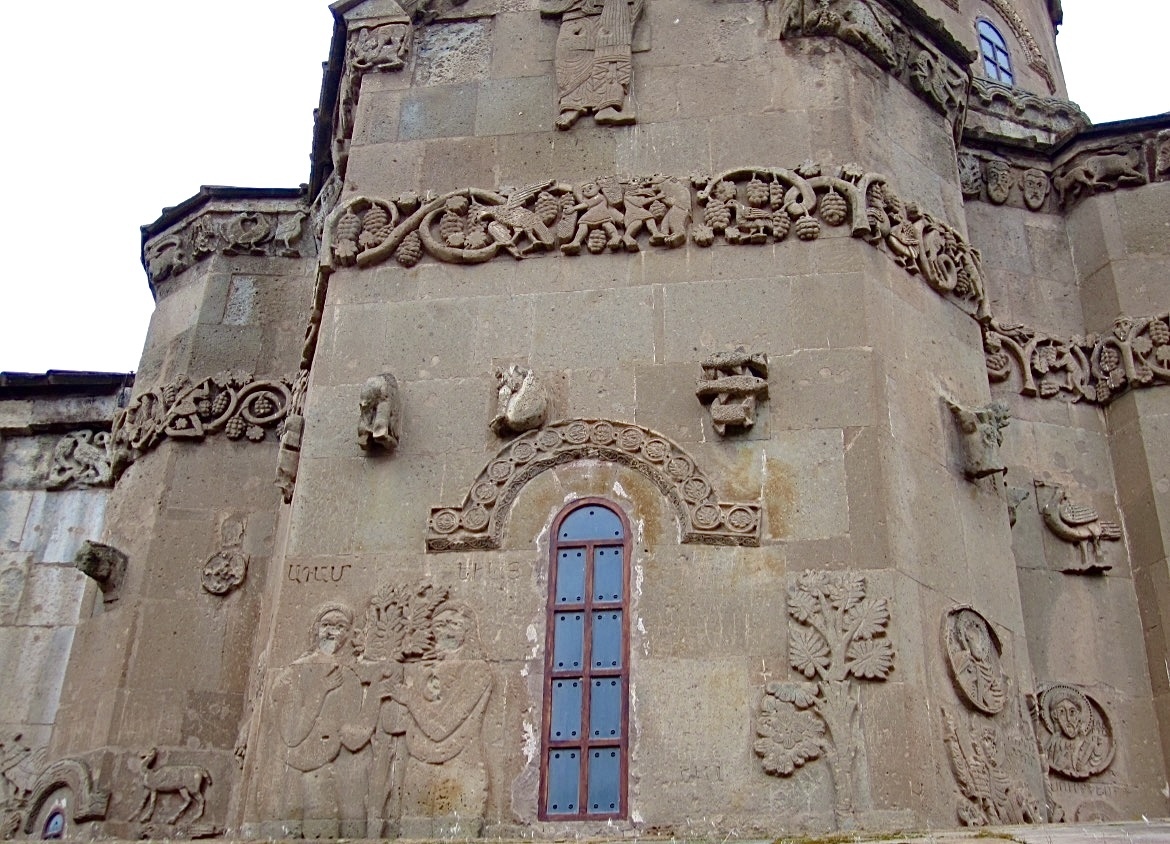
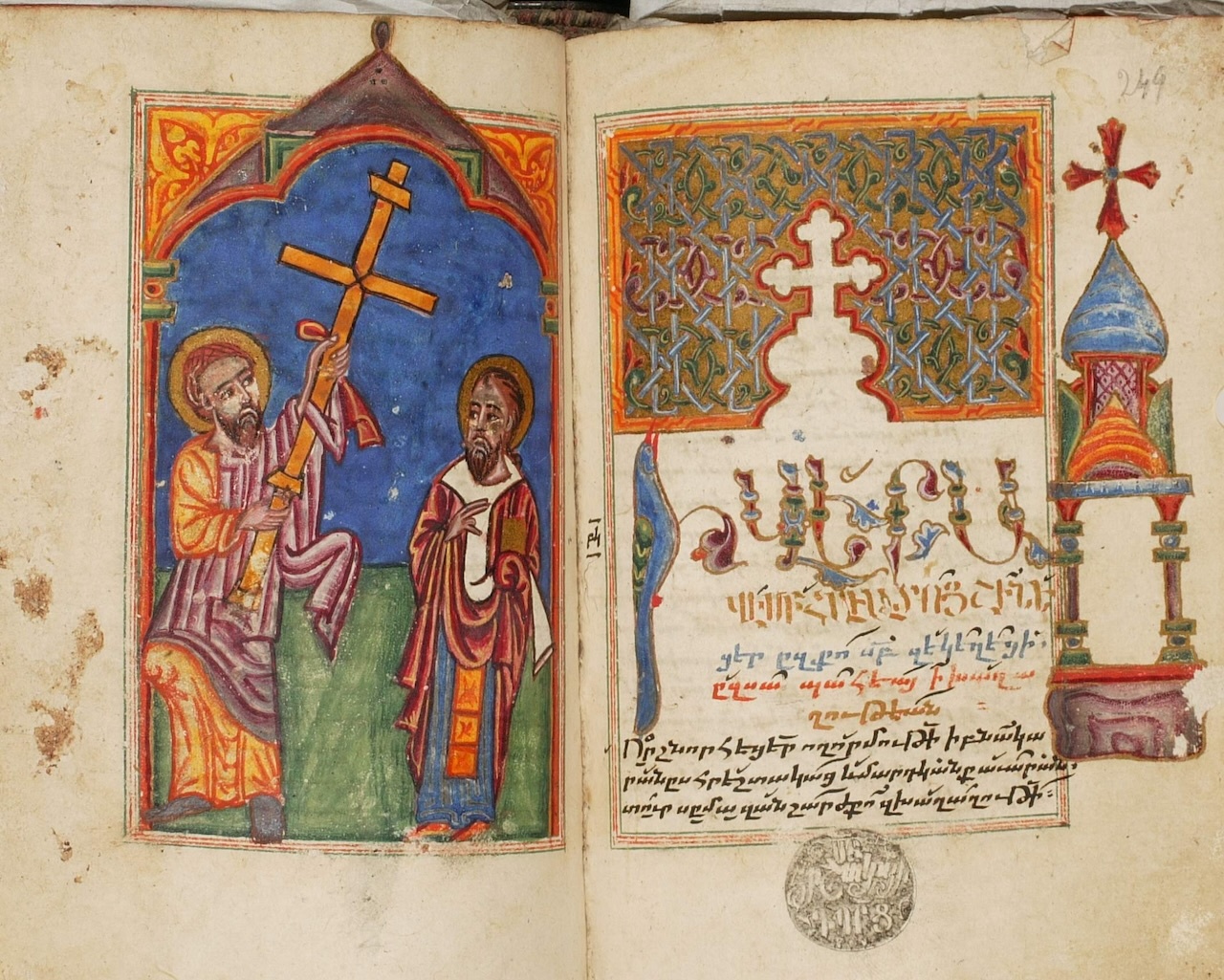
From the Garden of Eden’s “Tree of Knowledge of Good and Evil” to the suffering yet flowering “Tree of the Cross,” Armenian theology imagines salvation through a living vegetal symbolism that unites paradise, sacrifice, resurrection, and eternal life.
Across Armenian manuscripts, canon tables, altars, khachkars (cross stones), church carvings, and liturgical vestments we find symbolic images of plants. And in the biblical texts, descriptions of vines, wheat, fig, pomegranates, palm and olive branches, and flowering crosses both form and connect the visual and theological vocabulary.
In this sacramental ecology, the natural world is a medium through which divine realities are made visible. Wheat is a grain that falls into the earth (“dies and is buried underground,” John 12:24) and rises again in abundance, becoming eucharistic bread symbolizing resurrection. Vines evoke the eucharistic cup, Christ as the “true vine,” and the Church as an interwoven body sustained by one living source:
“I am the vine, you are the branches; the one who remains in Me, and I in him bears much fruit, for apart from Me you can do nothing.” (John 15:5).
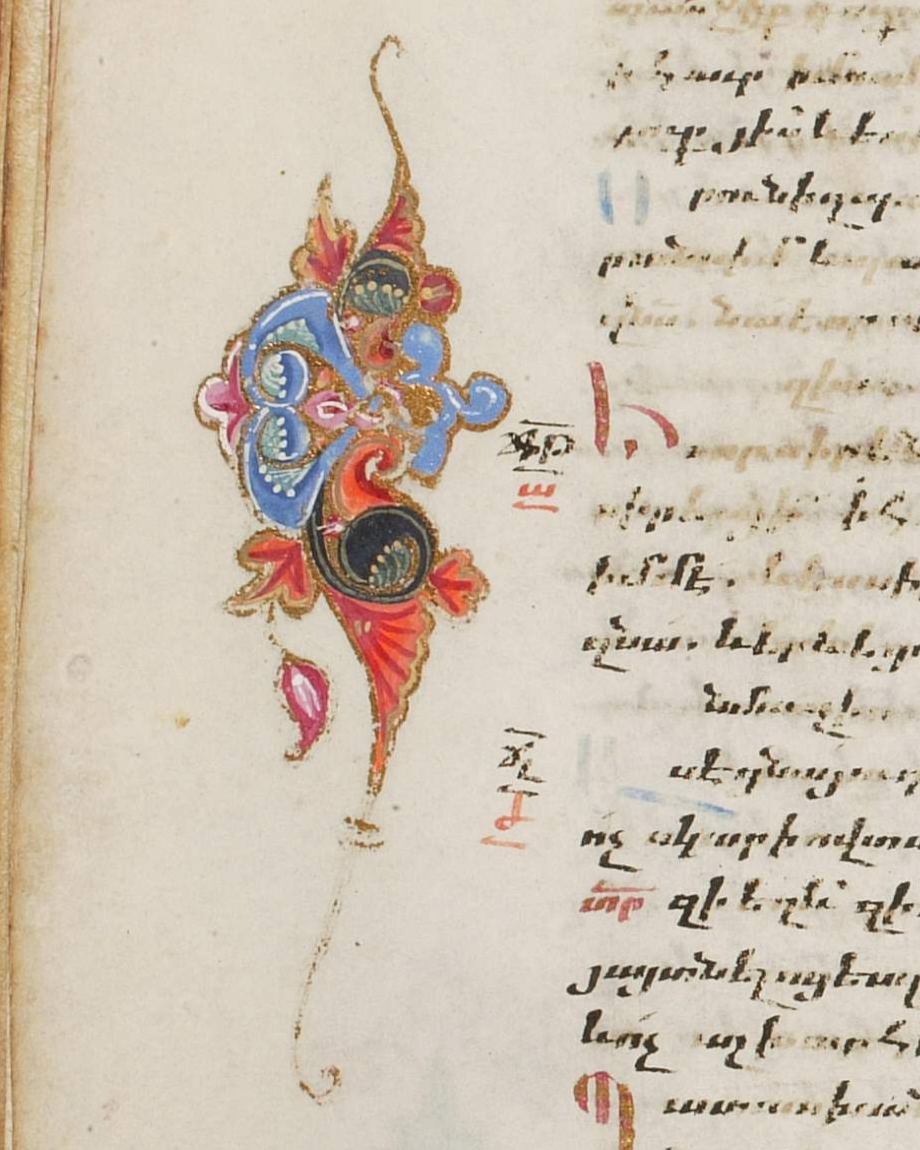
Pomegranates symbolize paradise, martyrdom, fertility, and the many gathered into one communion. Roots, seeds, branches, and fruit become theological language and patterns of apostolic continuity, hidden resurrection, communal growth, and spiritual nourishment.
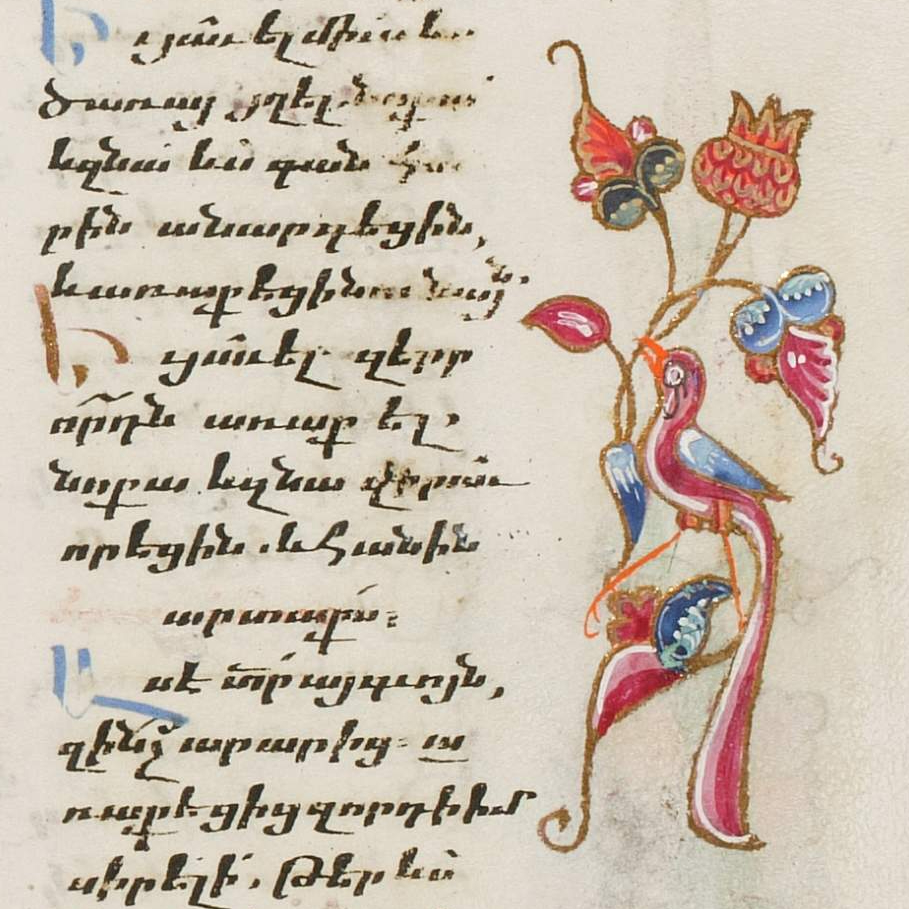
This vegetal imagination culminates in the Armenian flowering cross, where the cross is no longer represented as dead timber but as living wood that sprouts, flowers, and bears fruit. The cross becomes the restored “Tree of Life,” countering the death in Eden’s garden through resurrection in another garden. Like a seed buried in the earth, Christ’s death is understood not as an end but as divine germination: the tomb becomes soil, burial becomes planting, and resurrection becomes flowering abundance.
Armenian khachkars, manuscripts, and other forms embody this theology visually, with vines and branches emerging from the cross to proclaim life triumphing over death.
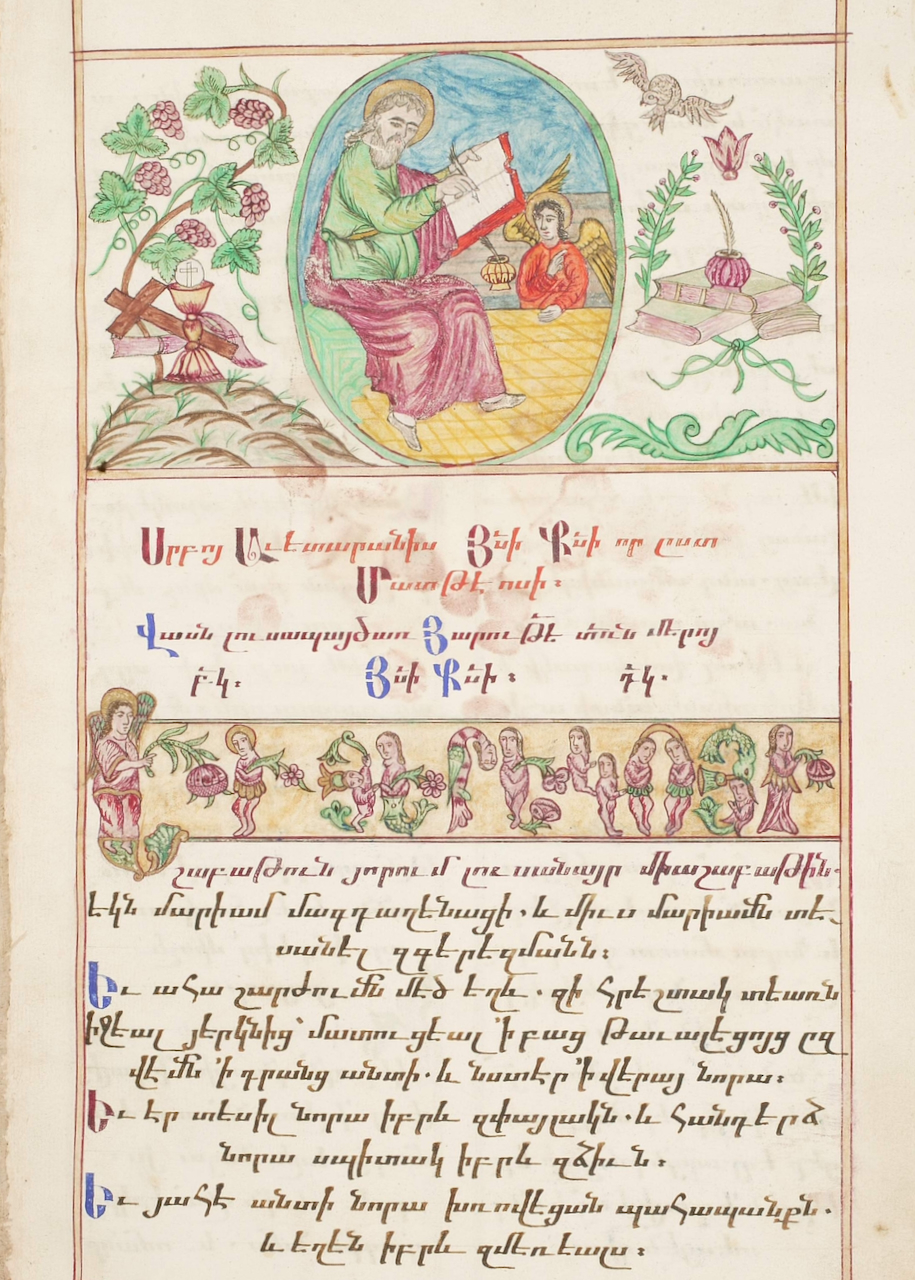
Manuscript marginalia vines, altar grapes, carved pomegranates, and flowering crosses all participate in one integrated theological vision where sacred space, liturgy, and creation itself are understood as eternally blooming with divine life offered to human beings.
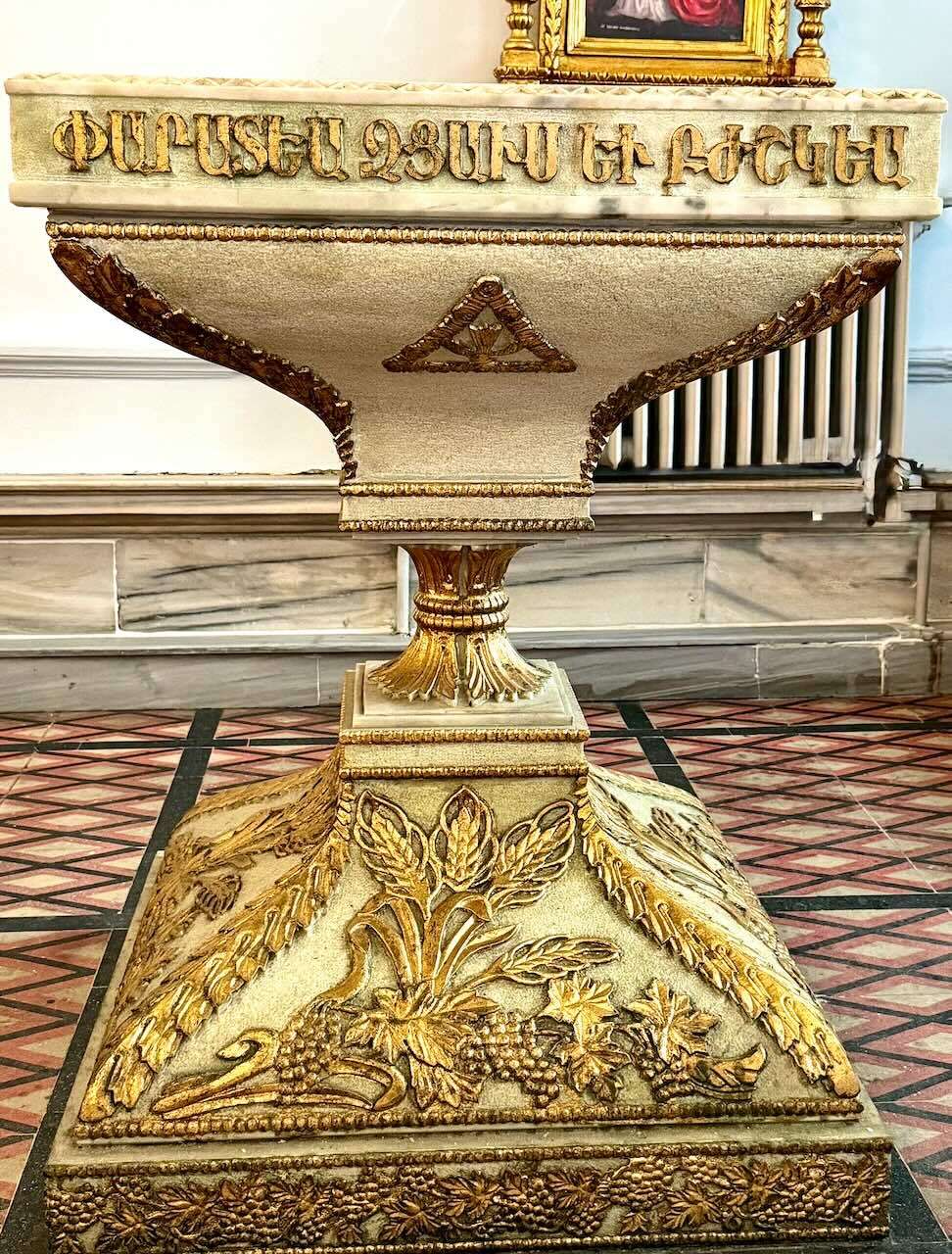
The garden—both a lived environment and a symbolic framework—stands at the center of human formation, offering the conditions for life, shaping human need, and providing the means for nourishment, growth, and healing. Humanity is placed in the garden (in turn, our world) not as passive inhabitants but as entrusted, responsible cultivators. Plants, water, and earth are not mere backdrop in the story—they are woven into creation from the start as instruments of restoration, given freely before humanity even knew it would need them.
Further Reading and Listening:
Guroian, Vigen. 2006. The Fragrance of God. Wm. B. Eerdmans Publishing Company.
Guroian, Vigen and Krista Tippett. “Restoring the Senses: Gardening and Orthodox Easter”. On Being (April 5, 2007).
Musselman, Lytton John. 2012. A Dictionary of Bible Plants. Cambridge University Press.
Vann, Karine. “Healing Herbs: Folk Remedies in Armenia”. Smithsonian Center for Folklife and Cultural Heritage, Folklife Magazine (May 19, 2017).
Vardanyan, Stella. 1999. “Medicine in Armenia” in J. A. C. Greppin, E. Savage-Smith, & J. L. Gueriguian (Eds.), The diffusion of Greco-Roman medicine into the Middle East and the Caucasus, pp. 185–192. Caravan Books.