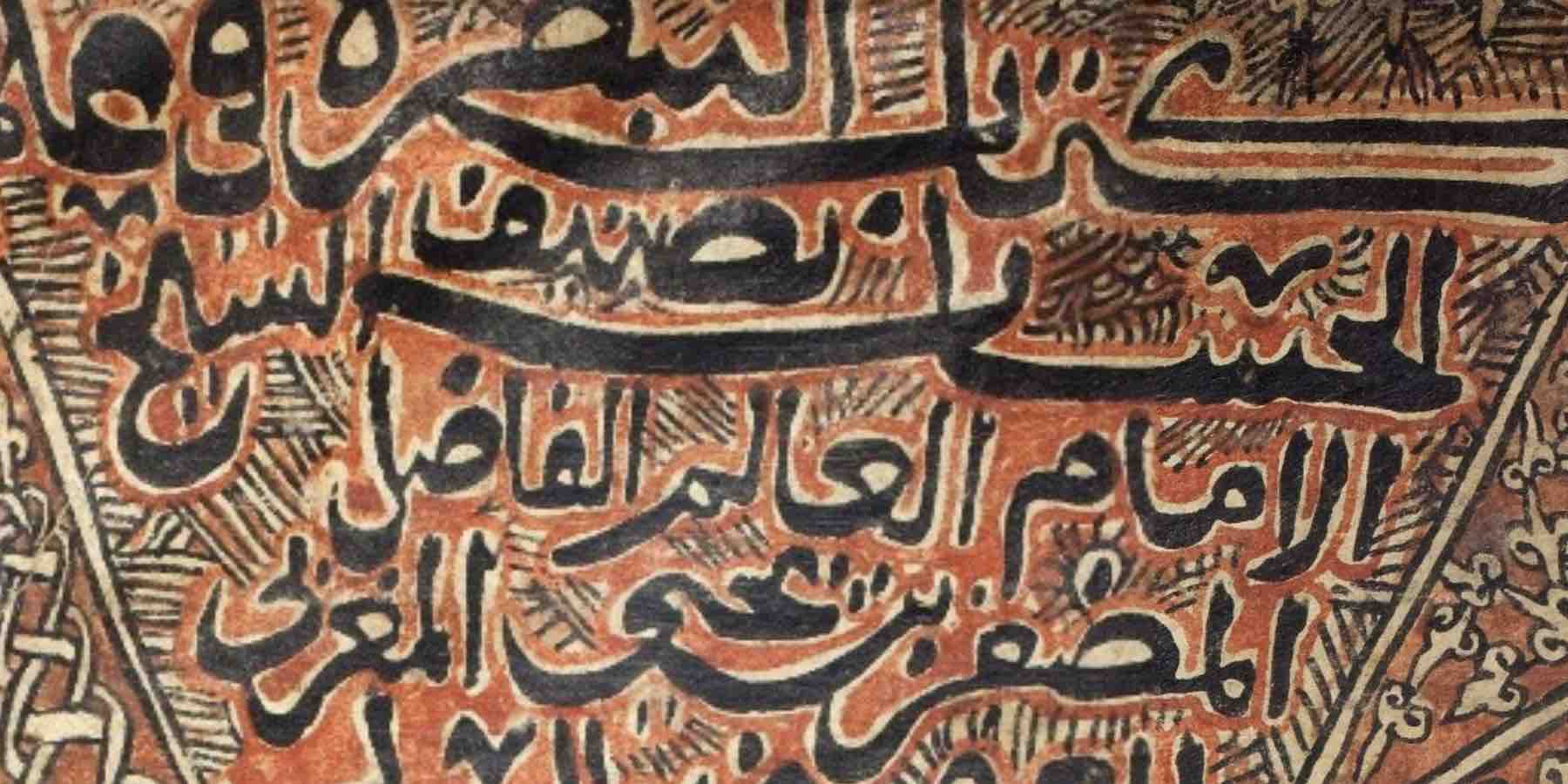
The Zaydi Manuscript Tradition Project
The Zaydi Manuscript Tradition Project
The Zaydi Manuscript Tradition (ZMT) Project is a collaborative initiative of the Institute for Advanced Study (IAS) in Princeton, New Jersey, and HMML.
Led by Dr. Sabine Schmidtke and Dr. Hassan Ansari at the IAS, the ZMT Project identifies collections of Zaydī manuscripts worldwide (primarily in the Middle East, North America, and Europe) and collects digitized copies of the manuscripts for long-term preservation and access in HMML Reading Room.
All ZMT images received to date are now viewable in HMML Reading Room, and HMML has cataloged all images from Yemen: more than 800 manuscripts located in 16 libraries across the northern highlands, primarily private family and scholarly libraries but also several mosque and institutional libraries. The dated manuscripts in these collections range from 1118 to 1984 CE, and they include texts from the full history of the Zaydī legal and theological tradition.
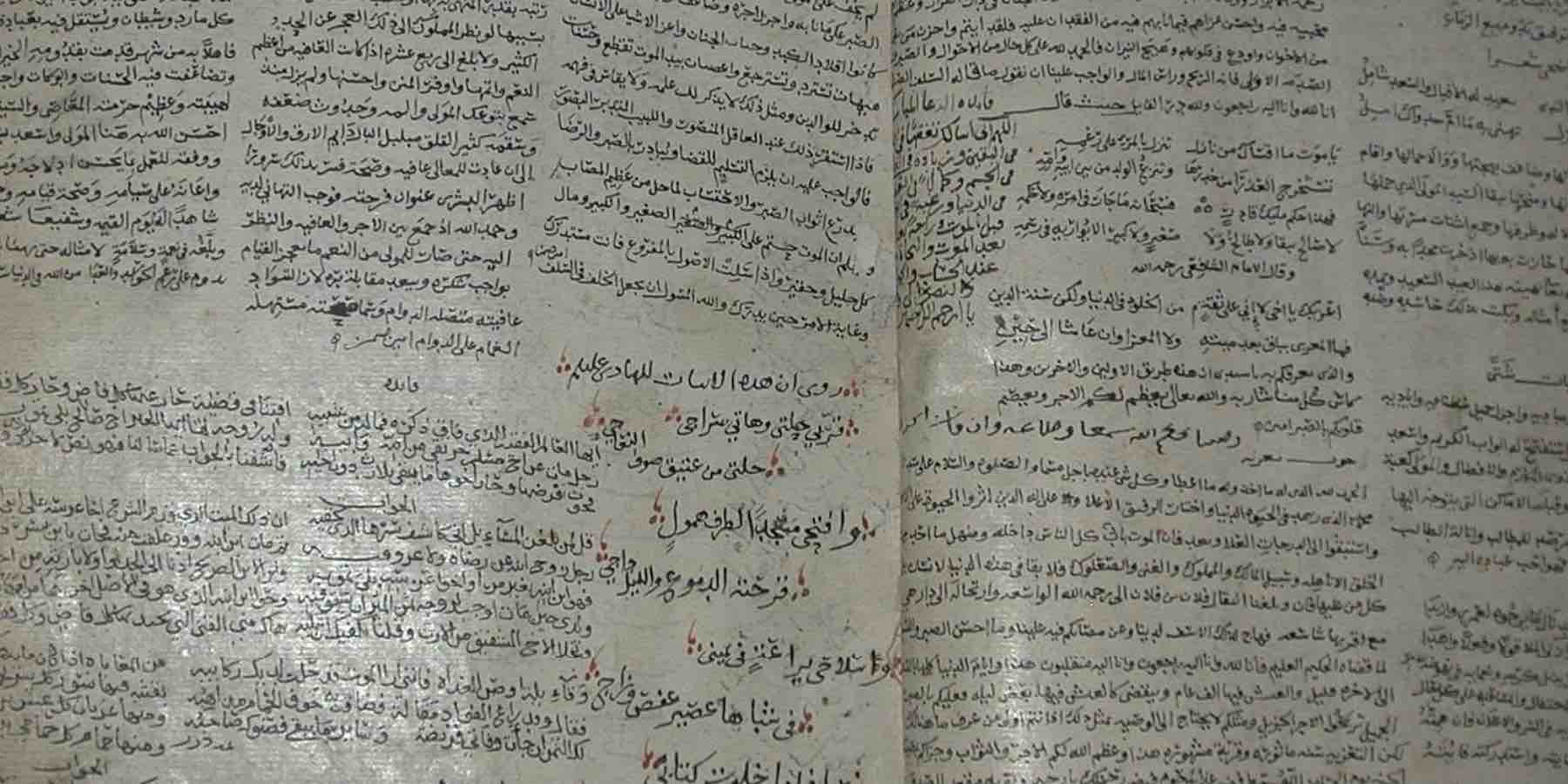
The Zaydī manuscripts represent an at-risk cultural heritage tradition, endangered due to conflict and warfare in Yemen. The Zaydī community, a branch of Shīʻī Islam dating to the 8th century, has historic roots in the northern highlands of Yemen and the Caspian regions of northern Iran. Zaydī manuscripts—covering law, legal theory, Qur’anic traditions, geography, encyclopedias, medicine, mathematics, theology, poetry, and literature, and more—contain a deep well of Zaydī scholarship, as well as active engagement with wider Islamic traditions. Learn more in a story by Dr. Josh Mugler, curator of Islamic manuscripts at HMML.
The scope of the ZMT Project encompasses vast collections of Zaydī manuscripts, which include upwards of 100,000 manuscripts located in Yemen; 10,000 manuscripts in Europe (collections in Austria, Germany, Italy, and Great Britain); fewer than 1,000 in North America; and important collections elsewhere in the Middle East (especially Egypt, Iran, Iraq, Saudi Arabia, and Turkey). The manuscripts brought together through this international collaboration help provide insight into this rich tradition, provide a centralized space for study of this dispersed heritage, and digitally preserve these manuscripts for future generations.